Understanding 2 Stroke Outboard Motors
2 stroke outboard motors have been a staple in the boating community for decades, known for their simplicity and power. These engines are particularly favored for their lightweight design and high power-to-weight ratio, making them ideal for various marine applications. Whether you’re an avid fisherman or a casual boater, understanding the intricacies of the 2 stroke outboard motor can greatly enhance your experience on the water. In this article, we will dive deep into the various aspects of 2 stroke outboard motors, including their advantages, common applications, troubleshooting issues, maintenance best practices, and future trends in the industry.
What is a 2 Stroke Outboard Motor?
A 2 stroke outboard motor is a type of internal combustion engine that completes a power cycle with two strokes of the piston during only one crankshaft revolution. This design allows for the engine to deliver power with fewer moving parts, which contributes to its light weight and lower production costs. The fundamental process involves the intake and compression of fuel and air, followed by combustion and exhaust in a continuous cycle. This efficiency makes 2 stroke engines popular amongst small watercraft, including dinghies, fishing boats, and personal watercraft.
Advantages of 2 Stroke Outboard Motors
- Power-to-Weight Ratio: 2 stroke engines provide a higher power output relative to their weight, making them ideal for smaller boats.
- Simplicity: With fewer components than their 4 stroke counterparts, 2 stroke engines are usually easier to repair and maintain.
- Cost-Effectiveness: Generally, 2 stroke outboard motors are less expensive to purchase and operate.
- Instant Throttle Response: These motors deliver power immediately, which is crucial for activities like water skiing and wakeboarding.
Common Applications for 2 Stroke Outboard Motors
2 stroke outboard motors are versatile and used in various marine environments. Common applications include:
- Recreational boating
- Fishing vessels
- Personal watercraft like jet skis
- Racing boats
These motors excel in scenarios where weight and power are critical, such as in high-performance racing or when needing to navigate shallow waters with larger loads.
Common Issues with 2 Stroke Outboard Motors
Despite their advantages, 2 stroke outboard motors can encounter several issues over time. Understanding these problems allows for timely interventions and preventative maintenance.
Identifying Performance Issues
Performance issues may manifest in several ways, including sluggish acceleration, difficulty starting the motor, or excessive smoke emission. These symptoms often indicate a problem with fuel delivery, spark plugs, or the exhaust system.
Common Wear and Tear Problems
Regular use leads to wear and tear in any engine, and 2 stroke outboard motors are no exception. Common problems include:
- Worn piston rings
- Corroded fuel lines
- Clogged carburetors
Attention to these areas can prevent more significant failures and extend the motor’s lifespan.
Troubleshooting Electrical Failures
Electrical issues can hamper the performance of 2 stroke outboard motors. Common signs of electrical failures include a dead battery, faulty ignition coils, or issues with the wiring harness. Regular inspections can help detect these problems early.
Maintenance Best Practices for 2 Stroke Outboard Motors
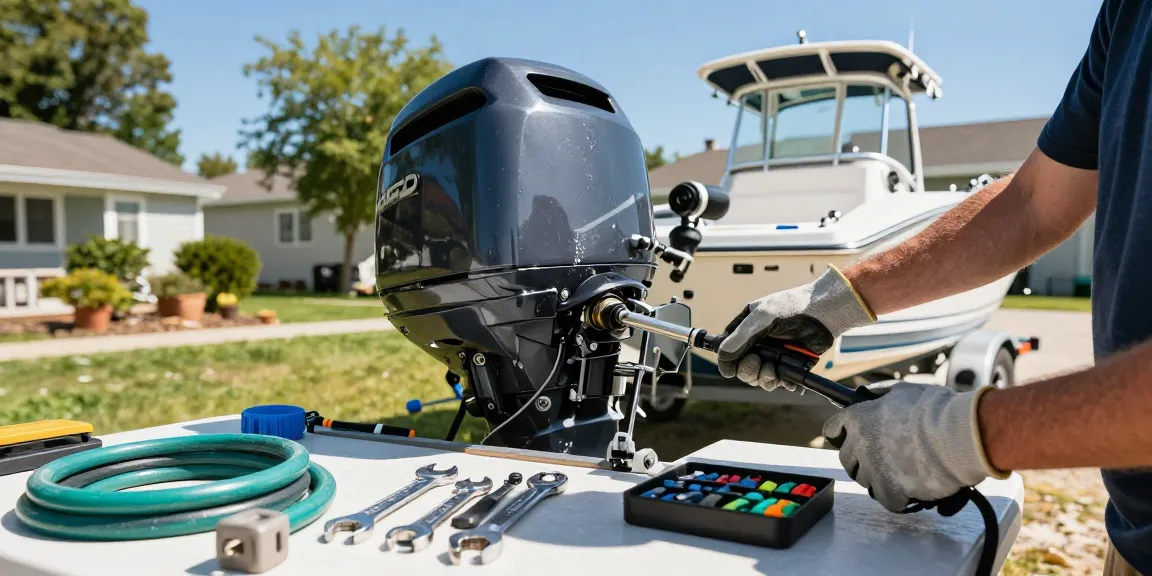
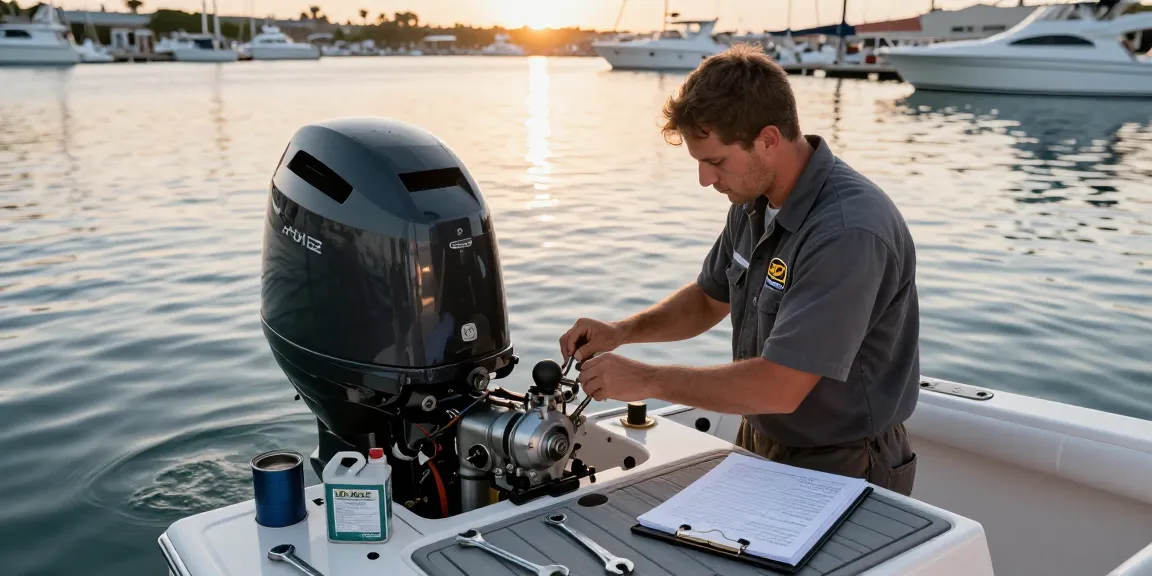
To ensure optimal performance and longevity of your 2 stroke outboard motor, regular maintenance is essential. This section outlines key practices for proper upkeep.
Regular Inspection and Cleaning
Routine inspections of your engine should include checking fuel lines, spark plugs, and the cooling system. Cleaning components like the propeller and hull will ensure that the motor operates efficiently and reduces drag while in the water.
Fuel and Oil Management Techniques
Using the right fuel mixture is crucial for 2 stroke engines. Most require a specific ratio of oil to gasoline, commonly 50:1. Using high-quality oils specifically designed for 2 stroke motors can enhance performance and reduce emissions.
Long-Term Storage Tips
When storing your 2 stroke motor, ensure that it is properly winterized. This includes draining the fuel system, adding a fuel stabilizer, and covering the engine to protect it from dust and environmental factors.
Upgrades and Innovations in 2 Stroke Technology
The world of 2 stroke outboard motors is evolving, with various advancements aimed at improving performance, efficiency, and environmental compliance.
Latest Trends in Outboard Motor Technology
The integration of electronics in 2 stroke motors has led to innovations like electronic fuel injection (EFI) systems, which enhance fuel efficiency and reduce emissions. This technology enables better engine performance across various conditions.
Eco-Friendly Advances in 2 Stroke Engines
With increasing environmental regulations, manufacturers are developing eco-friendly 2 stroke engines. These advancements include cleaner-burning formulations and designs that minimize fuel consumption and emissions.
Performance Enhancements for 2026
Looking ahead to 2026, expect to see more enhancements focused on boosting performance while maintaining durability. Features such as improved cooling systems and lighter materials will likely become standard in new models.
Future of 2 Stroke Outboard Motors
The future of 2 stroke outboard motors appears bright, especially with ongoing innovations meeting modern demands for lower emissions and higher efficiency.
Predictions for Market Demand in 2026
Industry analysts predict that the demand for 2 stroke outboard motors will remain strong, particularly in racing and recreational markets. Their lightweight and powerful characteristics ensure continual relevance in these segments.
Emerging Technologies and Their Impact
Developments in battery technology and hybrid systems may influence traditional 2 stroke outboard motor design. Hybrid models combining electric and 2 stroke systems could provide an additional power source, allowing for longer recreational use.
Consumer Preferences and Industry Shifts
As consumers become more environmentally conscious, there may be a significant shift toward more sustainable and efficient motor options. This could steer manufacturers to focus more on cleaner technologies and modify their lines accordingly.
What maintenance practices should I follow for my 2 stroke outboard motor?
To maintain your 2 stroke outboard motor, regularly check and replace fuel filters, inspect spark plugs, and keep the cooling system clean and free from debris. Seasonal maintenance, including thorough cleaning and lubrication of moving parts, is advisable.
How can I troubleshoot starting issues with my outboard motor?
Begin by checking the battery and ignition system. Ensure the fuel lines are clear and the fuel mixture is correct. Inspect the spark plugs for wear and replace them if necessary. A systematic inspection will help you pinpoint the issue.
What are the benefits of upgrading my 2 stroke outboard motor?
Upgrading your motor can result in enhanced efficiency, better fuel economy, and improved overall performance. Newer models may also come with advanced technological features, reducing emissions and increasing reliability.
Are there eco-friendly options for 2 stroke outboard motors?
Yes, many manufacturers now offer eco-friendly 2 stroke outboard motors that minimize emissions while maintaining power and performance. Look for models featuring advanced fuel injection systems and low-emission designs.
What common mistakes should I avoid with 2 stroke outboard motor maintenance?
Avoid using the wrong fuel mix (oil-to-gas ratio), neglecting cleaning tasks, and ignoring signs of wear and tear. Regular maintenance is vital, and addressing minor issues promptly can prevent costly repairs down the line.