Understanding CNC Press Brake Technology
The CNC press brake is an essential tool for manufacturers engaged in metal fabrication, offering unparalleled precision and efficiency in bending metal sheets. This sophisticated machine utilizes advanced numerical control technology to ensure high accuracy and reduced labor costs, ultimately transforming the workflow within manufacturing environments. When exploring options, cnc press brake systems stand out as one of the most popular solutions, enabling businesses to optimize production processes effectively.
What is CNC Press Brake?
A CNC press brake is a machine tool used to bend sheet metal into desired shapes through the application of force. The system employs a numerical control, allowing operators to input specific dimensions and parameters, resulting in repeatable and precise bends. Through the coordination of hydraulic and electrical components, CNC press brakes deliver enhanced flexibility in metal processing, accommodating various materials such as steel, aluminum, and titanium.
How CNC Press Brakes Improve Productivity
One of the most significant advantages of CNC press brakes is their ability to drastically improve productivity. By automating the bending process, manufacturers can minimize the time taken for setup between jobs. The use of advanced controllers allows for rapid adjustments, leading to quick turnaround times on numerous projects without sacrificing quality. Moreover, with programmable features, operators can save and recall bending programs, thereby streamlining repetitive tasks.
Key Features of Modern CNC Press Brakes
Modern CNC press brakes come equipped with an array of advanced features designed to enhance their operational capability:
- Precision Control: High-precision control systems ensure that bends are achieved with minimal deviation, often within ± 0.01mm.
- Multi-axis Control: Common configurations include 4+1, 6+1, and even 8+1 axis controls, allowing for complex bending processes.
- User-friendly Interfaces: Touchscreen displays and intuitive software simplify the programming process, making it accessible for operators at all skill levels.
- Safety Mechanisms: Integrated safety systems such as light curtains and protective doors guarantee operator safety during operation.
The Role of Automation in CNC Press Brakes
Automation takes center stage in contemporary manufacturing as industries strive for efficiency and quality. CNC press brakes are no exception, leveraging automation to enhance operational productivity.
Integration with Robotic Systems
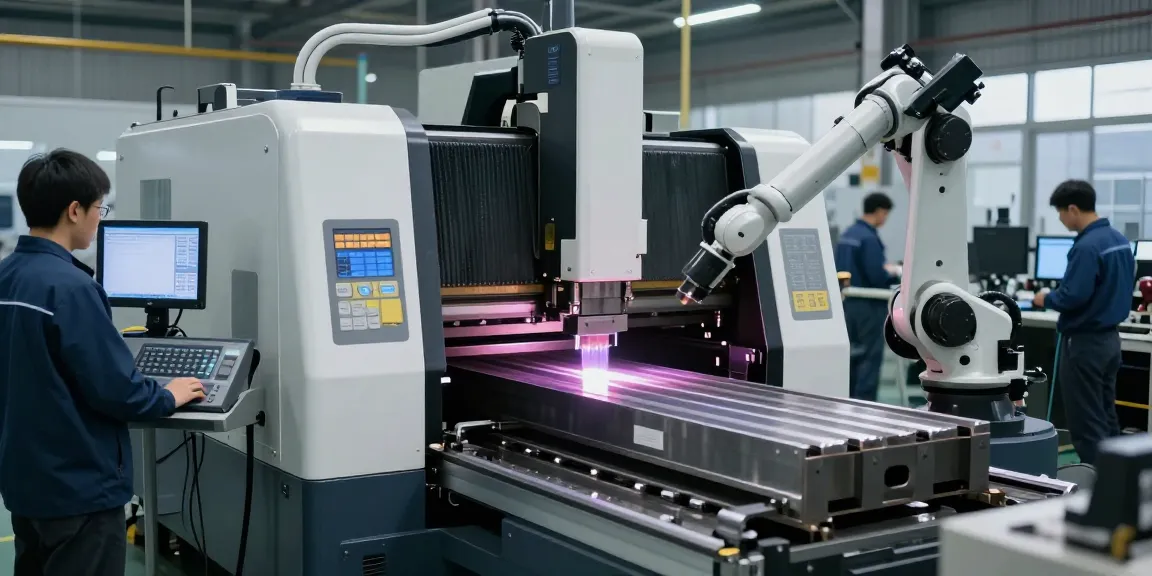
Integrating CNC press brakes with robotic systems fosters a seamless operation where robotic arms assist in material handling and precision bending. This robotic collaboration mitigates human error, enhances safety, and allows for continuous operation, leading to significant productivity gains. By automating the feeding and unloading of material, the potential for operational downtime is minimized, enabling on-demand production.
Benefits of Automated Bending Processes
Automated bending processes offer numerous advantages:
- Increased Efficiency: Automated systems can operate continuously without the need for breaks, vastly improving throughput.
- Consistency: Automation delivers consistent output quality, reducing scrap rates and enhancing product reliability.
- Reduced Labor Costs: With fewer personnel required for manual operation, businesses can reallocate labor resources to more critical areas.
Case Studies: Successful Automation Implementations
Numerous manufacturers have successfully implemented automated CNC press brakes in their operations. For instance, a leading automotive part manufacturer integrated robotic systems with CNC press brakes, resulting in a 30% increase in production efficiency and a substantial decrease in labor costs. Such implementations highlight the flexible configurations that can adapt to the needs of different production environments.
CNC Press Brake Applications Across Industries
CNC press brakes find applications across a variety of industries, proving their versatility and adaptability in meeting diverse production demands.
Metal Fabrication in Manufacturing
In the metal fabrication sector, CNC press brakes are crucial for bending metal sheets into components used in machinery, architecture, and furniture. Their consistent performance allows businesses to achieve high-quality products that meet industry standards.
Aerospace Component Production
The aerospace industry requires the highest precision components where CNC press brakes play a pivotal role in forming parts that are not only durable but also lightweight. The need for accuracy and reliability in aerospace applications makes CNC press brakes indispensable in the manufacturing process.
Automotive Industry Requirements
In automotive manufacturing, the ability to produce complex sheet metal parts efficiently with high accuracy positions CNC press brakes as a preferred choice. From chassis components to body panels, CNC technology ensures each part meets stringent safety and performance specifications.
Innovations in CNC Press Brake Features
As technology evolves, so do the features of CNC press brakes, with constant innovations enhancing their capabilities.
Advanced CNC Controllers and Software
Modern CNC press brakes utilize advanced CNC controllers such as the ESA S630, which allow precise control over multi-axis operations. These controllers often come with advanced programming features, enabling operators to visualize the bending processes through graphical interfaces, ultimately reducing setup times and programming errors.
Energy Efficiency in Modern CNC Press Brakes
Energy efficiency is increasingly becoming a priority in machine design and operation. Newer models of CNC press brakes leverage servo-hydraulic technology, which significantly reduces energy consumption while maintaining excellent bending performance. Such improvements not only lower operational costs but also contribute to a more sustainable manufacturing environment.
Customization and Flexibility Options
Customization is essential for meeting the specific needs of different industries. Modern CNC press brakes are designed to offer various configuration options, allowing businesses to select features that align with their unique manufacturing processes. From adjusting the number of axes to the type of hydraulic system used, CNC press brakes can be tailored to provide maximum effectiveness.
Choosing the Right CNC Press Brake for Your Needs
Selecting the right CNC press brake is a critical decision for any manufacturing operation. Factors to consider include production requirements, budget constraints, and future scalability options.
Evaluating Performance Metrics
When analyzing potential CNC press brakes, operators should evaluate key performance metrics such as maximum bending angle, repeatability, and overall throughput. Additionally, understanding the machine’s specifications regarding tonnage and working length is essential to ensure it meets production requirements.
Cost Considerations and ROI
The initial investment in CNC technology is significant; therefore, businesses must consider total cost ownership including maintenance, operational savings, and potential increases in output. A detailed analysis of ROI helps justify the investment and aids in making informed decisions.
Future Trends in CNC Press Brake Technology
As CNC press brakes continue to evolve, trends such as software integration, artificial intelligence, and predictive maintenance are emerging. These advancements aim to enhance operational efficiencies while providing deeper insights into the overall production process.
FAQs About CNC Press Brake Machines
What is the average lifespan of a CNC press brake?
The average lifespan of a CNC press brake can range from 15 to 20 years, depending on usage and maintenance. Proper care and timely servicing can significantly extend machine life.
How do I choose the right CNC press brake for my shop?
Choosing the right CNC press brake depends on multiple factors including the material types, thickness, and dimensions you plan to work with, along with your budget and the specific capabilities you require.
What maintenance practices are essential for CNC press brakes?
Regular maintenance practices include checking hydraulic fluid levels, calibrating controllers, inspecting electrical systems, and ensuring that the mechanical components are lubricated and functioning properly to prevent operational failures.