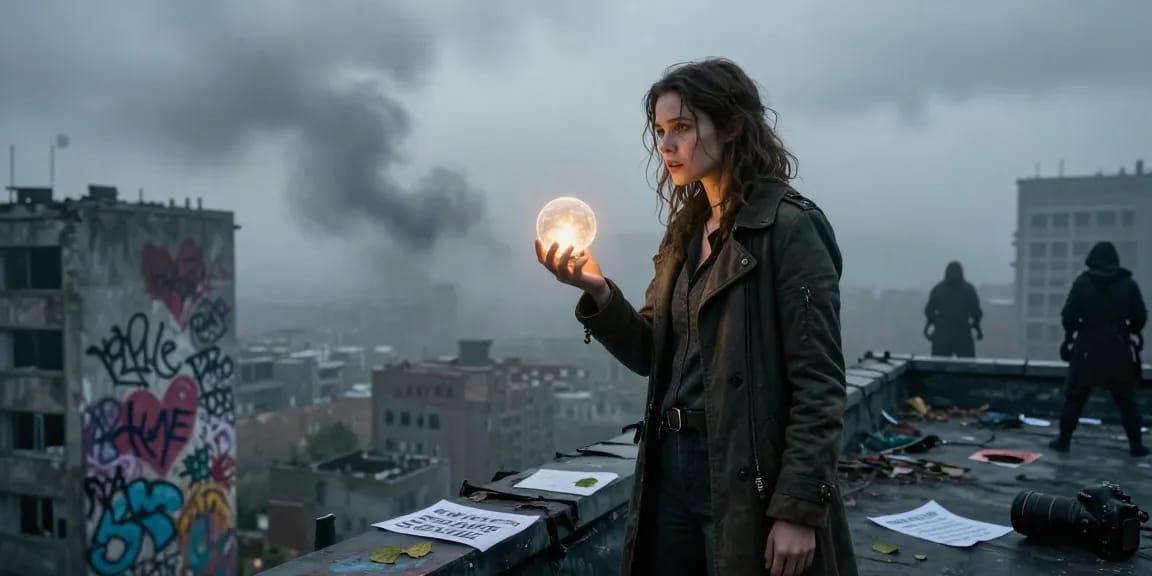
Understanding Dystopian Fiction and Its Themes
Dystopian fiction serves as a powerful lens through which to examine the intricacies of human emotion, societal structure, and the consequences of systemic oppression. In this genre, narratives often unfold in bleak futures where society's values have deteriorated, leading to the suppression of basic human elements such as love and empathy. One shining example of this theme is found in Richard French's novel, The Emotion Collector: Awakening. This compelling work explores how one heart can break a corrupt system, demonstrating the potential for love to act as both a rebellion and a salvation. For readers intrigued by topics intersecting with dystopian fiction forbidden love emotional awaken, this novel is a profound exploration of these concepts.
What is Dystopian Fiction?
Dystopian fiction traditionally depicts an imagined society that is far removed from an ideal state, often characterized by authoritarian control, environmental disaster, or the loss of personal freedoms. Such narratives can serve as cautionary tales, presenting exaggerated realities that reflect contemporary societal issues. The roots of dystopian storytelling stretch back to classics like George Orwell's 1984 and Aldous Huxley's Brave New World, where themes of surveillance, manipulation, and emotional disconnection reign. They serve to challenge the reader's perception of their own world, prompting critical thought about the future.
Key Themes: Emotional Suppression and Forbidden Love
Two dominant themes in dystopian fiction are emotional suppression and forbidden love. In many dystopian societies, emotion is viewed as a threat to stability, leading to laws and practices that suppress human feelings. For instance, in The Emotion Collector: Awakening, emotions are treated as contraband, with characters forced to navigate a world where love and passion are outlawed. This sets the stage for the exploration of forbidden love, a motif that adds profound depth to the narrative, as characters grapple with societal expectations while seeking authentic connections in a repressive environment.
The Role of Rebellion in Dystopian Narratives
Rebellion is a crucial element of dystopian fiction, often manifesting as a response to oppressive regimes. Characters embark on journeys of self-discovery, challenging the status quo and seeking freedom from societal constraints. Romantic relationships frequently serve as catalysts for rebellion; love becomes a powerful act of resistance. The Emotion Collector: Awakening illustrates this well, as protagonist Emma Thorne's realization of her own emotions fuels her desire to fight against the oppressive Council that governs her world. The intersection of personal and societal rebellion underscores love's transformative power in dystopian narratives.
The Impact of Emotional Awakening in Dystopian Settings
In a genre marked by despair, emotional awakening plays a pivotal role in character development and narrative progression. This awakening can initiate change not only within characters but also in their surroundings.
How Emotions Shape Character Development
Characters in dystopian fiction often begin as products of their environment, conforming to societal norms and expectations. However, as they awaken to their emotions—whether through personal experiences or relationships—they grow into more complex individuals. This transformation propels them toward self-acceptance and actions that defy their society's limitations. In The Emotion Collector: Awakening, Emma's journey from a calculated Senior Collector to a rebellious agent of change is a testament to the power of emotional awakening.
The Power of Love in Resistance Movements
Romantic love is often portrayed as a beacon of hope amidst darkness in dystopian narratives. It fuels characters' motivations and inspires them to fight against oppressive forces. In the realm of The Emotion Collector: Awakening, love is interwoven into the fabric of rebellion, showcasing how intimate connections can inspire countless acts of defiance. As Emma’s connection with a stranger sparks her emotional awakening, it sets her on a collision course with the very system she was designed to uphold.
Building Empathy in a Suppressed Society
Empathy becomes scarce in worlds where emotions are discouraged or outright banned. Dystopian fiction often tackles the challenge of re-establishing empathy within characters and their societies. Through personal connections and emotional experiences, characters learn to empathize with others, forming bonds that challenge their previous conditioning. The Emotion Collector: Awakening exemplifies this through Emma's interactions, revealing that emotional depth can often lead to greater societal understanding and change.
Analyzing The Emotion Collector: Awakening
Richard French's The Emotion Collector: Awakening masterfully intertwines themes of emotional suppression, forbidden love, and rebellion within a dystopian framework. This section delves deeper into the characters, plot, and symbolism that define this compelling narrative.
Character Study: Emma Thorne’s Journey
At the center of this novel is Emma Thorne, a complex character whose evolution forms the backbone of the story. Initially, Emma embodies a cold efficiency, diligently carrying out her duties as a Senior Collector. However, her encounter with a stranger immune to emotional suppression catalyzes her transformation. This pivotal moment propels Emma to question her loyalty to the Council and her mother's legacy. As she navigates her emotional awakening, readers witness her struggle between duty and desire, ultimately leading her to defy the very system she once served.
Plot Overview: Love as a Form of Rebellion
The plot of The Emotion Collector: Awakening unfolds within a meticulously crafted dystopian landscape where feelings are currency, and love is illegal. Emma's relationship with the immune stranger unravels the fabric of her reality and serves as a beacon of hope for resistance against the Council’s oppressive regime. This relationship highlights how love can ignite rebellion, revealing the lengths individuals will go to reclaim their humanity in the face of control.
Symbolism of Emotions in the Narrative
Emotions in The Emotion Collector: Awakening are portrayed as both a source of strength and a means of survival. The Council’s harvesting of emotions symbolizes a broader commentary on societal tendencies to suppress what makes us human. As Emma learns that emotions are vital for planetary survival, the narrative expands into a deeper exploration of ethical and ecological implications, urging readers to reflect on the consequences of emotional detachment in their own lives.
Creating Your Story: Elements of Dystopian Romance
For aspiring writers, crafting a successful dystopian romance requires an understanding of the unique elements that define the genre. Here, we outline key components that can help bring your narrative to life.
Crafting Believable Characters in Extreme Circumstances
One of the hallmarks of excellent dystopian fiction is the realism of its characters. In extreme circumstances, characters must face choices that reveal their true nature. Writers should focus on developing multi-dimensional protagonists whose flaws and virtues are amplified by their dystopian settings. Emma Thorne’s character arc in The Emotion Collector: Awakening exemplifies how vulnerability and growth can engage readers and reflect broader themes.
Building Tension Through Forbidden Relationships
Forbidden relationships are a driving force in dystopian romance, often serving as a catalyst for conflict. Writers can create compelling narratives by introducing obstacles that hinder characters' romantic pursuits, such as societal restrictions or personal sacrifices. Emma's struggle against the Council's edicts in The Emotion Collector: Awakening beautifully embodies this tension, creating an emotional landscape where love and rebellion intersect.
Utilizing World-Building to Enhance Emotional Depth
A richly developed world is crucial for immersing readers in a dystopian narrative. Writers should invest time in crafting the societal rules, conditions, and technologies that govern their worlds. This backdrop not only enhances the plot but also serves to heighten emotional stakes. French’s detailed depiction of a world that harvests emotions underscores the urgency of Emma’s fight, adding layers of meaning to her journey.
Future Trends in Dystopian Romance Literature
As we look toward the future of dystopian romance literature in 2026 and beyond, new trends are emerging that reflect contemporary societal issues and reader expectations.
Emerging Themes for 2026 and Beyond
Future dystopian romances are expected to delve even deeper into topics such as climate change, social justice, and mental health. These themes resonate with today’s readers, demanding narratives that are not only engaging but thought-provoking. Authors may explore how emotional awakenings can lead to personal and collective healing in a divided world.
How Reader Expectations Are Evolving
Readers are increasingly seeking authenticity and representation in dystopian narratives. There is a growing demand for diverse characters and multifaceted relationships that reflect the complexities of real life. Dystopian romances that center on marginalized voices are likely to gain prominence, enriching the genre's landscape and expanding its reach.
Incorporating Social Issues into Dystopian Storytelling
Incorporating pressing social issues into dystopian storytelling enhances the relevance of the narratives and provides a framework for reflection. Writers can use their platforms to address current inequalities, systemic injustices, and the human impact of policy decisions, allowing readers to connect with the stakes in their stories. As seen in The Emotion Collector: Awakening, the intersection of personal struggles and broader societal issues can create profound storytelling experiences.
What are some examples of dystopian novels featuring forbidden love?
Numerous dystopian works explore forbidden love as a central theme, including titles like Delirium by Lauren Oliver and The Handmaid’s Tale by Margaret Atwood. These narratives serve as poignant reminders of the resilience of love in oppressive circumstances.
How does emotional suppression affect character relationships?
Emotional suppression profoundly impacts character relationships by creating barriers to intimacy and understanding. Characters are often forced to navigate complex dynamics where their feelings are stifled, leading to conflict, misunderstandings, and ultimately, a quest for authentic connections as portrayed in The Emotion Collector: Awakening.
What role does rebellion play in emotional awakening?
Rebellion serves as a catalyst for emotional awakening, pushing characters to confront their beliefs and embrace their feelings. In dystopian narratives, acts of defiance often lead to self-discovery and personal growth, illustrating how challenging oppressive systems can be a pathway to reclaiming one's emotions.
Are there films based on dystopian fiction with similar themes?
Films such as The Hunger Games and Divergent exemplify the blend of dystopian settings with themes of rebellion and forbidden love. These adaptations not only entertain but also provoke thought about the implications of societal structures.
What can we learn from dystopian narratives about our society?
Dystopian narratives often serve as mirrors reflecting societal flaws and anxieties. They invite readers to contemplate issues of power, identity, and moral choices, challenging them to consider how they might act when confronted with similar circumstances in real life.