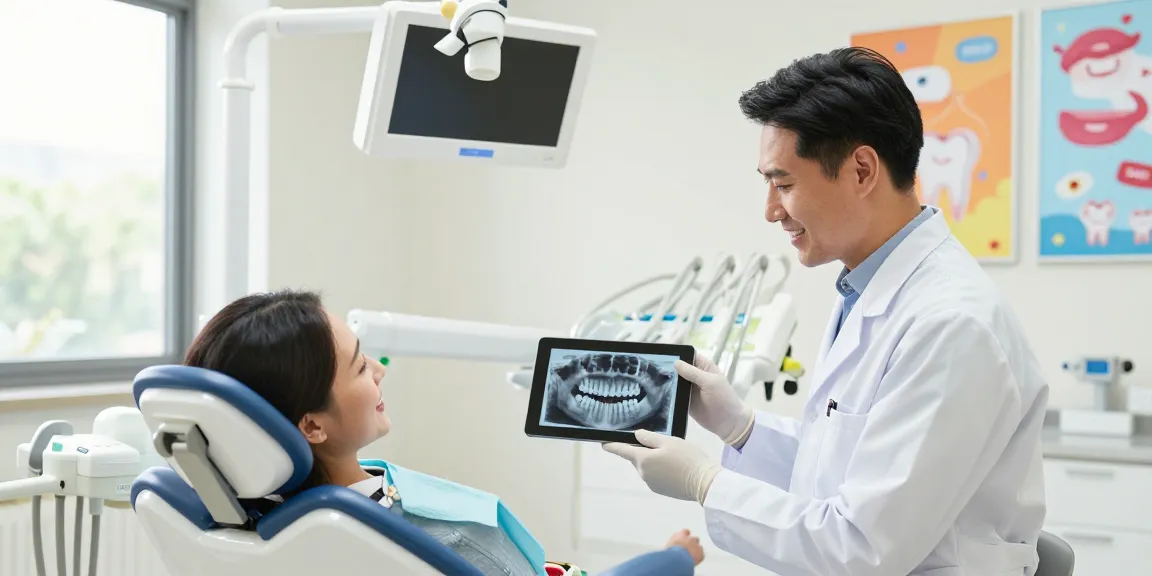
Understanding Dental Health Essentials
Dental health is not merely an afterthought; it is a vital component of overall well-being. Maintaining good dental hygiene can help prevent various health issues, including heart disease and diabetes. In this guide, we’ll explore essential aspects of dental health, including hygiene practices, potential dental issues, and the importance of regular check-ups. When exploring options, discover more here about how proper dental care can enhance your life.
What You Need to Know About Dental Hygiene
Dental hygiene involves practices like brushing, flossing, and routine dental visits aimed at maintaining oral health. Effective dental care should begin early in life and continue through adulthood. Here are some essential practices:
- Brushing: Brush at least twice a day with fluoride toothpaste to remove plaque and prevent cavities.
- Flossing: Floss daily to clean between teeth and maintain gum health.
- Mouthwash: Use an antimicrobial mouthwash to help reduce plaque and bacteria in the mouth.
- Regular Dental Visits: Schedule check-ups every six months for professional cleaning and early detection of potential issues.
Common Dental Issues and Their Impact
Several dental issues can arise due to poor hygiene or negligence, including:
- Cavities: These are holes in teeth caused by decay, often resulting in pain and the need for fillings.
- Gum Disease: It ranges from gingivitis to periodontitis, leading to gum recession and tooth loss if untreated.
- Bad Breath: Often a symptom of an underlying issue, such as gum disease or tooth decay.
Understanding these common problems can help you take proactive measures to avoid them.
Importance of Regular Check-ups and Cleanings
Regular dental appointments are crucial for maintaining oral health. These visits allow dental professionals to catch problems early before they escalate into serious health issues. Professional cleanings remove tartar build-up, and examinations can identify issues like oral cancer or hidden decay. Patients who engage in regular check-ups generally enjoy better oral health and fewer complications over time.
How to Choose the Right Dentist
Finding the right dentist is a critical step in managing your dental health. A well-suited dental provider can make a significant difference in your overall experience and long-term oral health. Here are essential factors to consider when selecting a dental professional:
Key Factors in Selecting a Dental Provider
- Qualifications: Ensure the dentist is qualified and holds the necessary licenses and certifications.
- Experience: Look for a dentist with ample experience in specific treatments you may need.
- Practices: Consider the type of dental services offered, including specialties like orthodontics or cosmetic dentistry.
- Patient Reviews: Read reviews and testimonials from previous patients to gauge satisfaction levels.
Using Online Resources to Discover More Here
Today, many online platforms allow you to search for dentists in your area. Utilizing these resources can save time and ensure you find a qualified professional that meets your needs. Websites like Dentee provide comprehensive listings of dental providers, along with patient reviews and appointment scheduling capabilities.
Essential Questions to Ask Your Dentist
Before deciding on a dentist, consider asking the following questions during your first visit:
- What are the treatment options for my specific dental issue?
- How do you handle dental emergencies?
- What is your approach to pain management during procedures?
- Does your practice accept my insurance?
These inquiries can help clarify expectations and ensure that you feel comfortable with your choice.
The Booking Process Made Easy
Booking a dental appointment has never been easier, thanks to online platforms that streamline the process. Here’s how you can quickly secure a dental visit:
Steps to Book an Appointment Quickly
- Visit a reputable dental directory or provider website.
- Search for dentists based on your location and specialty needs.
- Check availability in real-time.
- Select your preferred time slot and confirm your appointment.
This simple process allows you to manage your dental health without unnecessary stress or delays.
Understanding Your Financial Options
Dental care can be a significant expense, but understanding your financial options can help alleviate some of the burdens. Most dental offices offer various payment plans, accept insurance, and may provide discounts for upfront payments. Always inquire about financing options before committing to treatment.
What to Expect During Your First Visit
Your first visit to the dentist typically involves a thorough examination and cleaning. The dentist will assess your dental health, discuss any concerns, and may take X-rays to evaluate your oral structures better. They will also provide recommendations and develop a treatment plan tailored to your needs.
Emerging Technologies in Dentistry
Advancements in technology have revolutionized the dental field, enhancing patient experiences and outcomes. Here’s a look at some innovative tools currently transforming dentistry:
Innovative Tools Changing Patient Experiences
- Digital X-rays: These provide instant images with reduced radiation exposure, allowing for quicker diagnostics.
- Cone Beam CT: A 3D imaging method that offers detailed views for precise treatments.
- Intraoral Cameras: These small cameras provide real-time visuals, helping patients better understand their conditions.
Tele-dentistry: The Future of Dental Care
Tele-dentistry is gaining traction as a convenient way to access dental advice and consultations. Patients can meet with their dentists virtually, allowing for quicker assessments without the need for office visits. This approach can be particularly beneficial for those with mobility issues or living in remote areas.
Why You Should Embrace Digital Dentistry
Digital dentistry not only improves accuracy and efficiency but also enhances patient comfort. From computerized anesthesia delivery to CAD/CAM technology for creating dental restorations, embracing these advancements can lead to a smoother and more pleasant patient experience.
Maintaining Long-term Dental Health
Consistent and proactive care is essential to maintaining good dental health over the years. Establishing effective habits now can save you from costly and painful procedures later. Here are some best practices to consider:
Best Practices for Ongoing Oral Care
- Maintain a Regular Cleaning Routine: Brushing and flossing should be a daily priority.
- Stay Hydrated: Drinking water helps wash away food particles and bacteria.
- Avoid Tobacco Products: Smoking and chewing tobacco are detrimental to oral health.
Dietary Changes for Better Dental Health
Your diet plays a critical role in dental health. Limiting sugary foods and drinks can prevent cavities, while consuming plenty of fruits and vegetables can improve your overall health. Foods rich in calcium, such as dairy products, also help strengthen your teeth.
Recognizing Signs of Dental Problems Early
Being aware of early warning signs can help you address dental issues before they become severe. Symptoms to watch for include:
- Pain or discomfort when chewing
- Persistent bad breath that does not improve with brushing
- Sensitivity to hot or cold
- Gum bleeding during brushing or flossing
How Often Should You Visit the Dentist?
Most dental professionals recommend visiting the dentist at least twice a year for cleanings and check-ups. However, individuals with specific dental concerns may need to see their dentist more frequently.
What Are the Benefits of Preventative Care?
Preventative care helps identify potential issues before they advance, saving time and money on treatment in the long run. It also improves your overall health and can enhance your quality of life.
How to Cope with Dental Anxiety?
Many individuals experience anxiety when it comes to dental visits. Consider employing relaxation techniques, such as deep breathing or visualization, to ease your nerves. Communicating your concerns to your dentist can also lead to a more comfortable experience, as they can adjust their approach to suit your needs.
What Are the Latest Trends in Dental Treatments?
Keeping up with trends in dental treatments can provide insights into new options available to you. Some of the latest advances include:
- Minimally Invasive Dentistry: Techniques aimed at conserving as much of the natural tooth as possible.
- 3D Printing: Used for creating dental appliances and models, enhancing precision and efficiency.
- Regenerative Dentistry: Researching ways to regenerate damaged tissues and organs within the mouth.
How to Maximize Your Dental Insurance Benefits?
Understanding your dental insurance can help you maximize your benefits. Familiarize yourself with the coverage details, including deductibles, copayments, and service limits. Regularly review your plan to ensure you are taking full advantage of available benefits.