Understanding CIKA4D and Its Role in Indoor Agriculture
CIKA4D stands at the forefront of innovative solutions in indoor agriculture, catering to a growing demand for sustainable and efficient crop production methods. As a modern provider of design and construction services, CIKA4D and DAG Facilities are dedicated to enhancing indoor agriculture, specifically in areas such as grow rooms and vertical farming. These state-of-the-art facilities not only optimize space but also utilize advanced technology to ensure optimal growth conditions for various crops. When exploring options, cika4d provides comprehensive insights into how their systems can revolutionize food production.
What is CIKA4D?
CIKA4D is a comprehensive platform designed to support the indoor agriculture industry through sophisticated design and construction services. It focuses on creating tailored solutions that meet the specific needs of various agricultural operations, ranging from small-scale urban farms to large commercial facilities. By integrating cutting-edge technology with innovative design principles, CIKA4D aims to maximize production efficiency while minimizing resource consumption.
The Importance of Indoor Agriculture
Indoor agriculture has emerged as a critical player in global food production. With the increase in urbanization and the challenges posed by climate change, traditional farming methods are no longer sufficient to meet the rising food demands. Indoor agriculture allows for year-round crop production, reducing dependence on seasonal cycles and making it possible to grow food closer to urban centers. This proximity not only enhances freshness but also reduces transportation emissions, contributing to a more sustainable food system.
How CIKA4D Enhances Crop Production
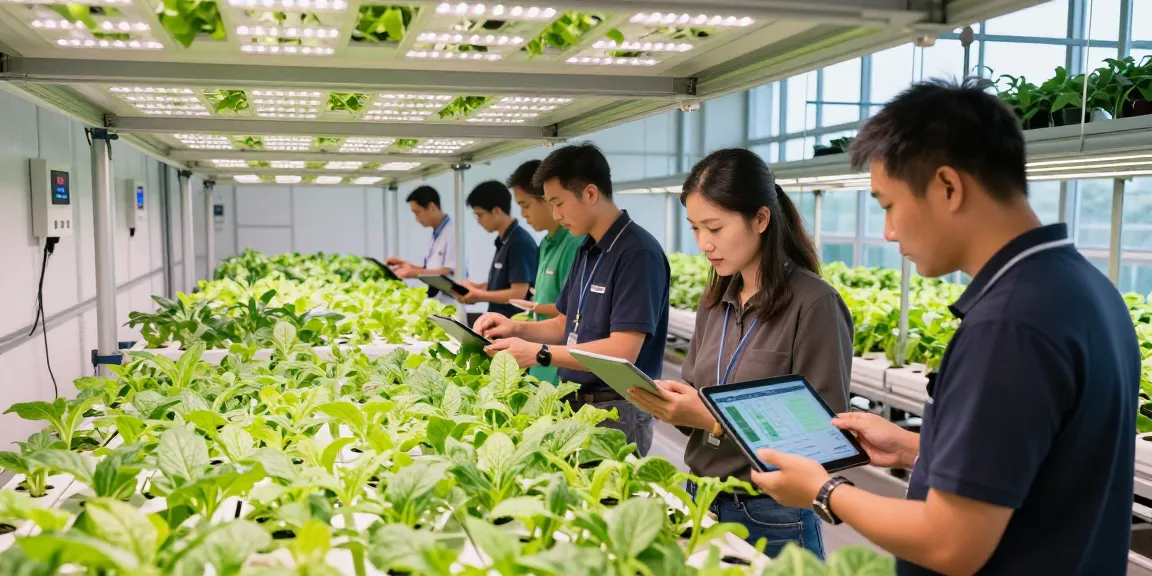
CIKA4D leverages advanced technologies such as hydroponics, aeroponics, and advanced climate control systems to create ideal growing conditions. By utilizing automated systems for watering, lighting, and nutrient delivery, CIKA4D ensures that plants receive the precise conditions they need to thrive. This approach leads to increased yield, faster growth cycles, and reduced labor costs, all while maintaining high-quality produce.
Addressing Common CIKA4D Misconceptions
Debunking Myths About Indoor Agriculture Systems
Indoor agriculture has often been misunderstood as a niche market only suitable for specific crops. However, advancements in technology have paved the way for a diverse range of crops to be grown efficiently indoors. From leafy greens to fruiting plants, the versatility of indoor agriculture is one of its greatest strengths. Additionally, many believe that indoor farming is too expensive to implement; however, the long-term savings in water and energy efficiencies often offset initial setup costs.
Understanding the Technology Behind CIKA4D
At the heart of CIKA4D’s offerings is a suite of technologies that enhance the indoor growing experience. These include high-efficiency LED lighting systems that mimic natural sunlight, sophisticated climate control that monitors and adjusts temperature and humidity in real-time, and hydroponic systems that minimize water usage while optimizing nutrient delivery. The integration of these technologies not only boosts productivity but also ensures sustainable practices in indoor farming.
Challenges Faced by Indoor Farmers
Despite the potential of indoor agriculture, it is not without its challenges. Farmers must navigate issues such as high initial setup costs, ongoing maintenance of complex systems, and the need for continuous technical support. Moreover, knowledge gaps in advanced agricultural practices can hinder progress. CIKA4D addresses these challenges by providing comprehensive support from design to execution, ensuring that farmers have the tools and knowledge necessary for success.
Best Practices for Implementing CIKA4D Solutions
Steps to Designing Effective Indoor Farming Facilities
Designing an effective indoor farming facility requires careful planning and consideration of various factors. First, farmers must assess their specific crop needs, including space requirements, light conditions, and climate preferences. Next, integrating the right technology is crucial; this may include selecting appropriate lighting systems, irrigation methods, and climate control technologies. Finally, ensuring scalability and adaptability to future needs is essential for long-term success.
Key Technologies for Maximizing Yield
To maximize crop yield in indoor agriculture, farmers should implement a combination of hydroponic or aeroponic systems and precision farming techniques. Utilizing sensors and IoT technologies allows for real-time monitoring of plant health and environmental conditions, enabling quick adjustments to optimize growth. Additionally, automation plays a pivotal role in streamlining operations, from planting to harvesting.
Energy Efficiency Strategies in Indoor Agriculture
Energy consumption is a significant concern in indoor farming. Implementing energy-efficient practices, such as utilizing LED lighting, optimizing HVAC systems, and incorporating renewable energy sources, can drastically reduce operational costs. Furthermore, employing energy audits and efficiency assessments can pinpoint areas for improvement and help facilities run more sustainably.
Real-World Applications of CIKA4D
Case Studies of Successful Indoor Farms
Numerous case studies illustrate the success of CIKA4D’s solutions in real-world applications. For example, a vertical farm in the heart of a metropolitan area successfully utilized CIKA4D’s design strategies to grow a variety of herbs and leafy greens year-round, demonstrating the potential of urban agriculture. Another instance features a commercial grower who increased production by 50% after implementing CIKA4D’s advanced climate control systems, highlighting the effectiveness of their technology.
Innovative Designs and Layouts in CIKA4D Facilities
CIKA4D emphasizes innovative design in its facilities, utilizing vertical space to create multi-layered growing environments. This approach not only maximizes production area but also enhances accessibility and workflow efficiency. Modular designs allow for easy expansion as business needs grow, making CIKA4D facilities adaptable and future-proof.
Future Trends in Indoor Agriculture Technology
The future of indoor agriculture is bright, with ongoing advancements in technology poised to revolutionize the industry. Trends such as artificial intelligence-driven systems for predictive analytics, improved resource management through IoT devices, and biotechnological innovations for crop enhancement will play a critical role in shaping the industry. As these technologies evolve, they will enable even more efficient and sustainable practices in indoor farming.
Conclusion and Future of CIKA4D in 2026
Predictions for Indoor Agriculture Growth
As we look toward 2026, the growth of indoor agriculture is expected to accelerate significantly. Urban areas will increasingly rely on indoor farming to meet local food demands, and innovations from CIKA4D will be at the forefront of this transformation. The integration of smart farming techniques and sustainable practices will be essential in responding to the challenges posed by climate change and population growth.
The Evolving Role of Technology in CIKA4D
Technology’s role in indoor agriculture will continue to evolve, with CIKA4D leading advancements in automation, data analytics, and resource efficiency. By embracing these technological changes, indoor farmers can enhance productivity and sustainability, securing their place in the future of food production.
Final Thoughts: Embracing Sustainable Practices
The commitment to sustainable practices will be fundamental for the ongoing success of indoor agriculture. CIKA4D’s focus on energy efficiency, resource conservation, and innovative design sets a benchmark for the industry. As more farmers recognize the benefits of sustainable indoor farming, the legacy of CIKA4D will undoubtedly influence the agricultural landscape for years to come.
What are the benefits of using CIKA4D?
CIKA4D offers numerous benefits, including enhanced crop yields, efficient use of resources, and year-round production capabilities. Its innovative designs and technologies minimize waste while maximizing productivity, making it an ideal choice for modern agricultural practices.
How does CIKA4D differ from traditional agriculture?
Unlike traditional agriculture that relies heavily on seasonal cycles and unpredictable weather, CIKA4D’s indoor systems provide controlled environments conducive to consistent crop growth. This paradigm shift enables farmers to produce food sustainably and reliably, regardless of external conditions.
Can anyone start an indoor agriculture facility?
While starting an indoor agriculture facility is accessible to many, it requires careful planning, investment, and knowledge of best practices. CIKA4D offers valuable resources and support to guide prospective farmers through the process, making it feasible even for beginners.
What are some common pitfalls in indoor farming?
Common pitfalls in indoor farming include inadequate planning, poor system integration, and insufficient knowledge of crop management. To avoid these issues, it’s crucial to engage with experts and utilize reliable resources, such as those provided by CIKA4D, for a successful implementation.
How to get support for CIKA4D initiatives?
Support for CIKA4D initiatives can be obtained through consultations with CIKA4D professionals who provide insights and resources tailored to specific needs. Their expertise in design, construction, and ongoing management ensures that indoor agriculture projects are set up for success.